We memorize to fill our travel bag; we memorize, because it preserves the past; and we memorize, because it lets us walk a mile in someone else’s words. But ultimately, we memorize, because it changes us. And that is why...
Have you ever heard the idiom, “walk a mile in someone else’s shoes”? It means that we should first imagine what it is like to be someone else, to experience life from their perspective, before we pass judgment. It is...
You’ve probably heard people talk about the importance of teaching “critical thinking” in schools. They’re not entirely wrong. But critical thinking is often presented as an advance or improvement over “rote memorization”—and its why so few of your peers in...
Our final thought experiment this week is no thought experiment at all – it is the true story of Rahab, from the Book of Joshua. After God had promised the Israelites the land of Jericho, Joshua sent spies to check it out:...
Peter Singer, the atheist, moral philosopher, poses the following thought experiment about the moral obligation to save another human being: A man wearing a thousand dollar suit sees a child drowning in the ocean and being pulled away by the...
Yesterday’s thought experiment was about identity—once all of its parts were replaced, was the Ship of Theseus still the same ship? Today, we consider value theory and whether happiness or pleasure is really the highest good. In his book Anarchy, State,...
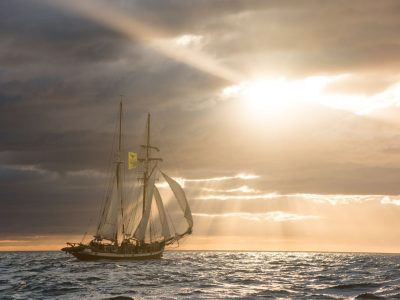
This week, we’ll be considering some of the great thought experiments of philosophy. We begin with the Ship of Theseus. Plutarch, in his work The Life of Theseus, recounts a debate among the philosophers over whether or not a ship that has...
At the beginning of this week, I asked why we start each day honoring our country. We considered that America is only great if she is good, that our happiness depends on humility and our liberty upon personal virtue, and...
James Madison noted about the American founding that “[i]n Europe, charters of liberty have been granted by power. America has set the example … of charters of power granted by liberty. This revolution in the practice of the world, may,...
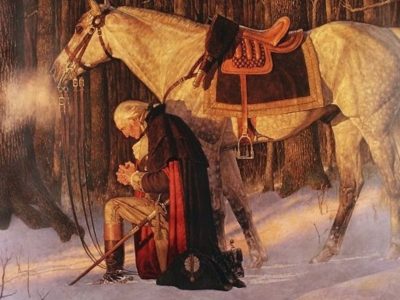
“An incident is told of the first American war, about an officer who set his men to fell some trees which were needed to make a bridge. There were not nearly enough men, and work was getting on very slowly....