
To be honest in all things also means being honest…with ourselves. But that’s a tricky phrase, and we must be careful about what it means.
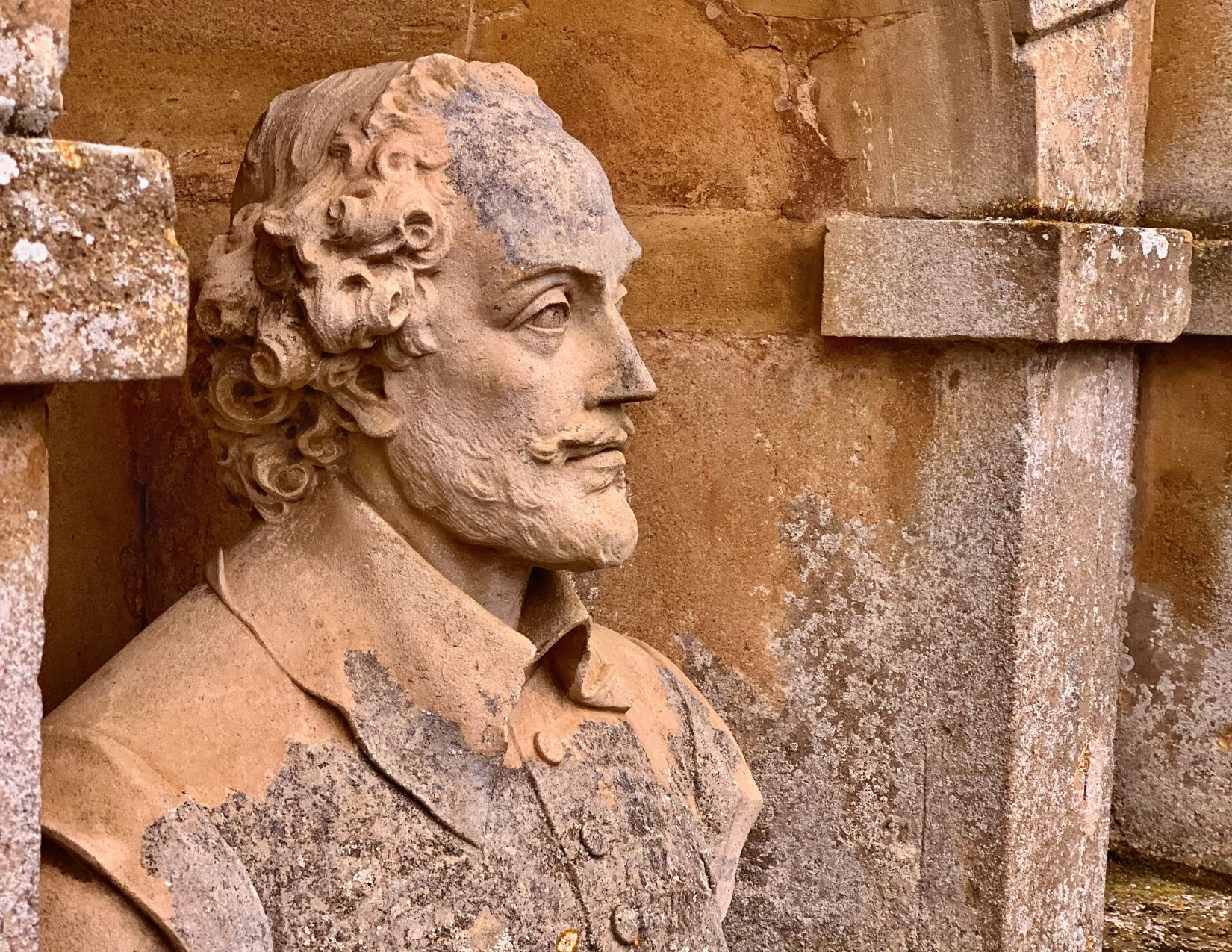
Today, we often hear people say that you must “be true to yourself”—a paraphrase of Polonius’ advice to his son in Shakespeare’s Hamlet: “To thine own self be true.”
The problem with Polonius’ instruction is that, as Jeremiah 17:9 reminds us: “The heart is deceitful above all things, and desperately wicked.” If we listen to Polonius, if we are true ourselves, then we make the desires of our deceitful hearts the standard of truth, rather than truth the standard by which we measure our heart’s desires.
We tell ourselves that it wasn’t our fault, because we’d rather not apologize; we tell ourselves that we’re victims, because it is easier than taking responsibility for our own actions; we tell ourselves that we’re not talented enough, in order to excuse our lack of diligence; and so on… And our dishonesty with ourselves is the most dangerous kind.
Fyodor Dostoyevsky understood this, when he wrote:
“Above all, don’t lie to yourself. The man who lies to himself and listens to his own lie comes to a point that he cannot distinguish the truth within him, or around him, and so loses all respect for himself and for others. And having no respect he ceases to love.”
Honest in all things doesn’t mean being true to yourself—it means telling yourself the truth.